Photogrammetry reconstructs the three-dimensional shape and surface of an object or a site from many overlapping photographs. Software finds the same points across the images, calculates where each camera stood, and builds a measurable model: a point cloud, a textured mesh, orthophotos and sections that can be scaled, measured and compared over time.
Where the work takes place depends on the object and on what the project needs. Sites, buildings and objects that cannot leave their setting are documented in situ, in the field, in a museum storeroom or in the owner’s vault. Objects that can travel, and that benefit from fully controlled light, can be photographed in my studio.
The method scales from small finds and inscriptions, photographed with macro lenses, to rooms, façades and whole buildings. Where roofs, upper walls or the surrounding landscape cannot be reached from the ground, drone photography can be added to the same model, so that ground and aerial views share one coordinate system.
Selected photogrammetric models of heritage sites, monuments and objects. Many of them can be explored interactively in 3D on my Sketchfab page. Click any model to open it in 3D on Sketchfab, in a new tab.
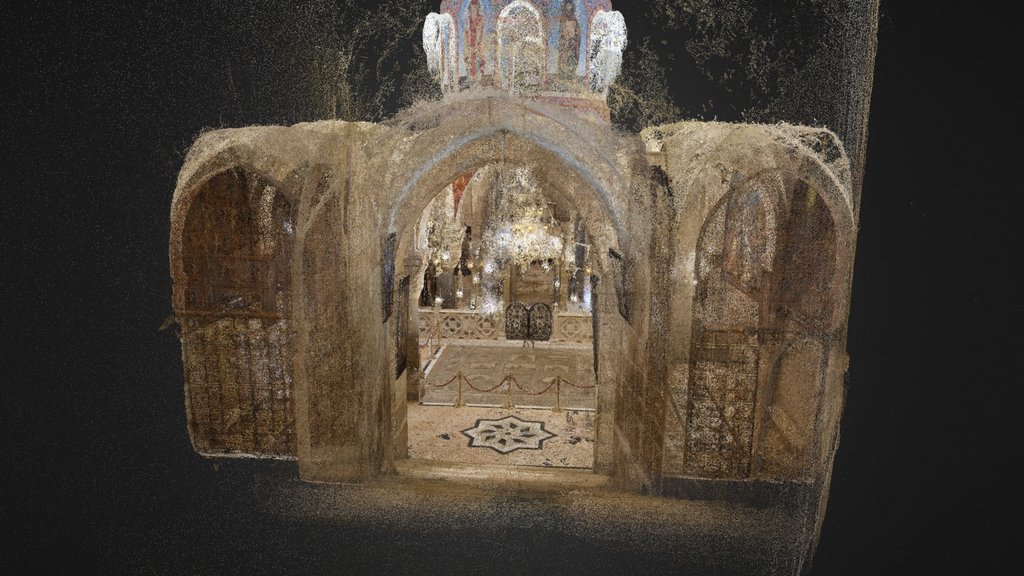 Chapel of Saint Helena Point Cloud, Jerusalem
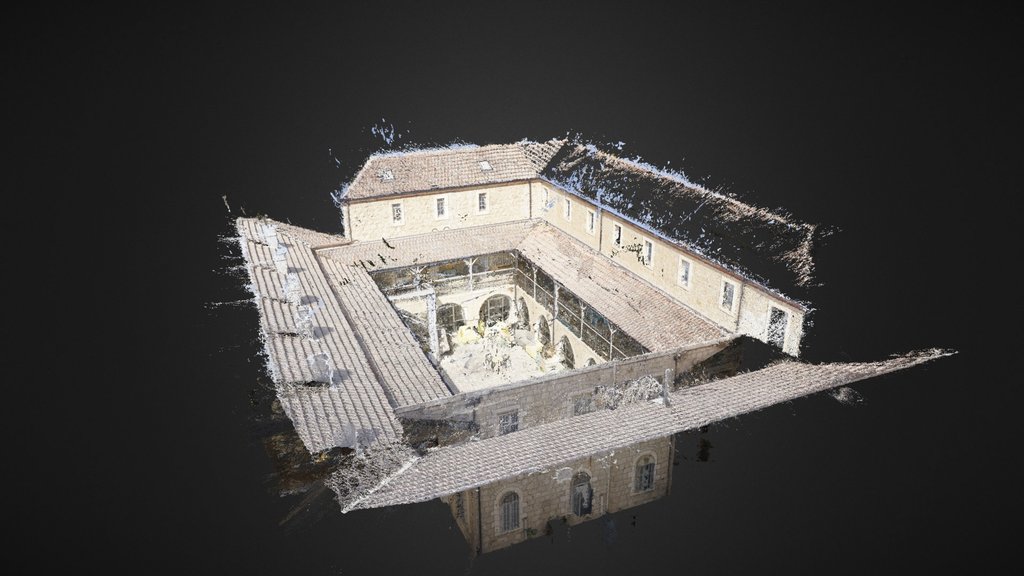 The Hansen House courtyard, Jerusalem
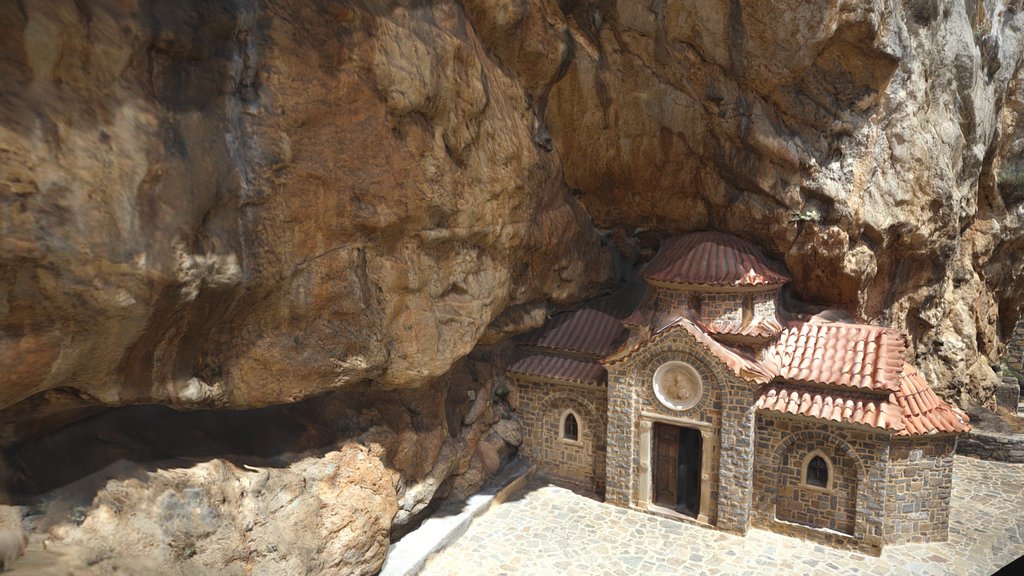 Agios Nikolaos Chapel, Kotsifou Gorge, Crete
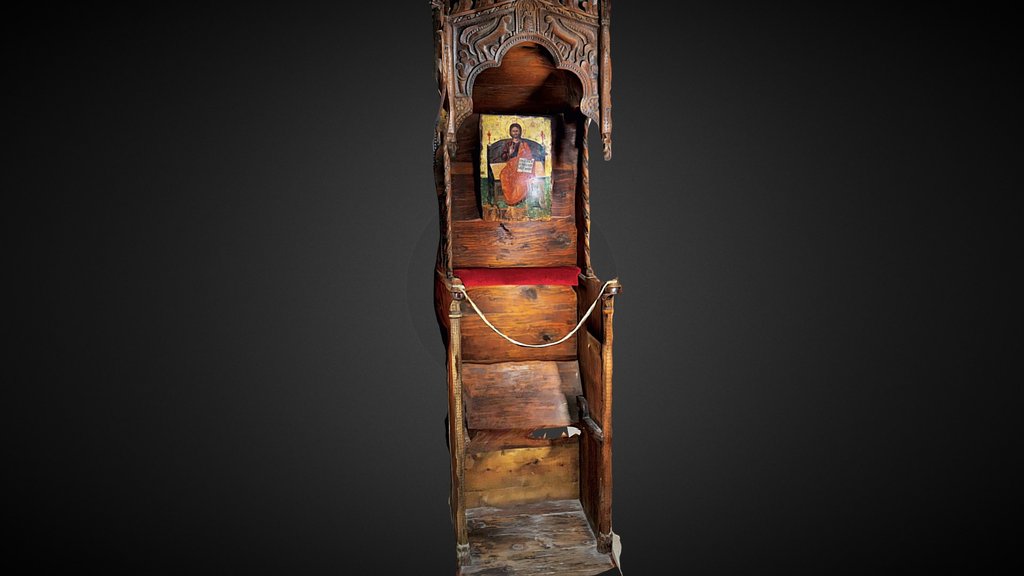 Bishop's Throne, St John Lampadistes, Cyprus
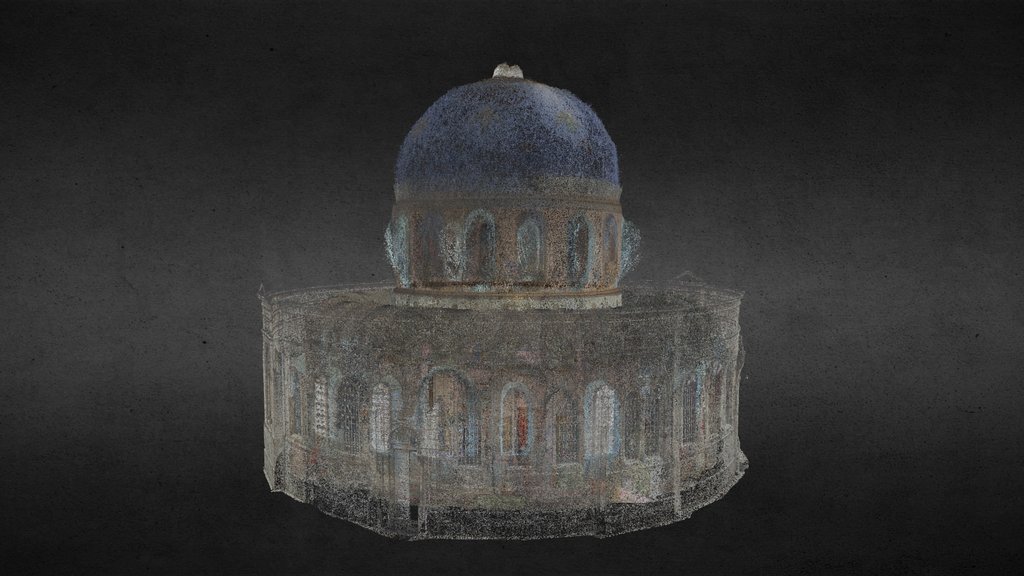 Kidane Mehret Ethiopian Church, Jerusalem
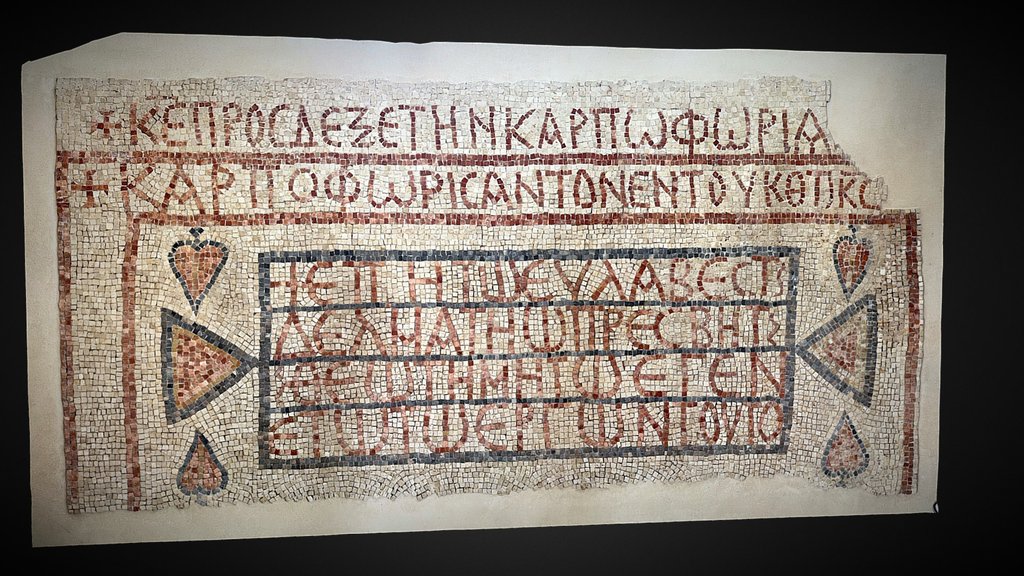 Greek Inscription Mosaic, Church at Shiloh
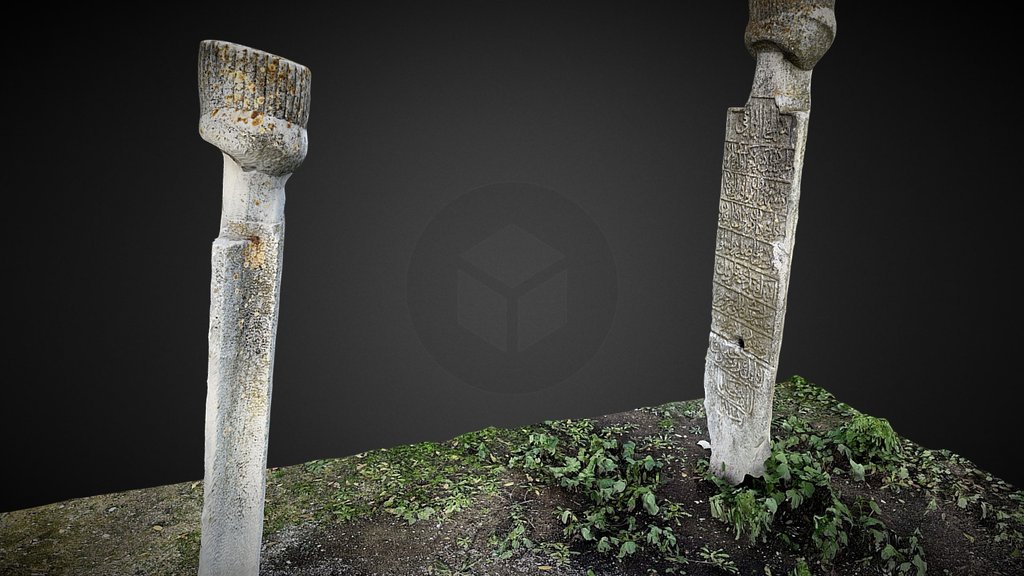 Ottoman Tombstone, Hala Sultan Tekke, Cyprus
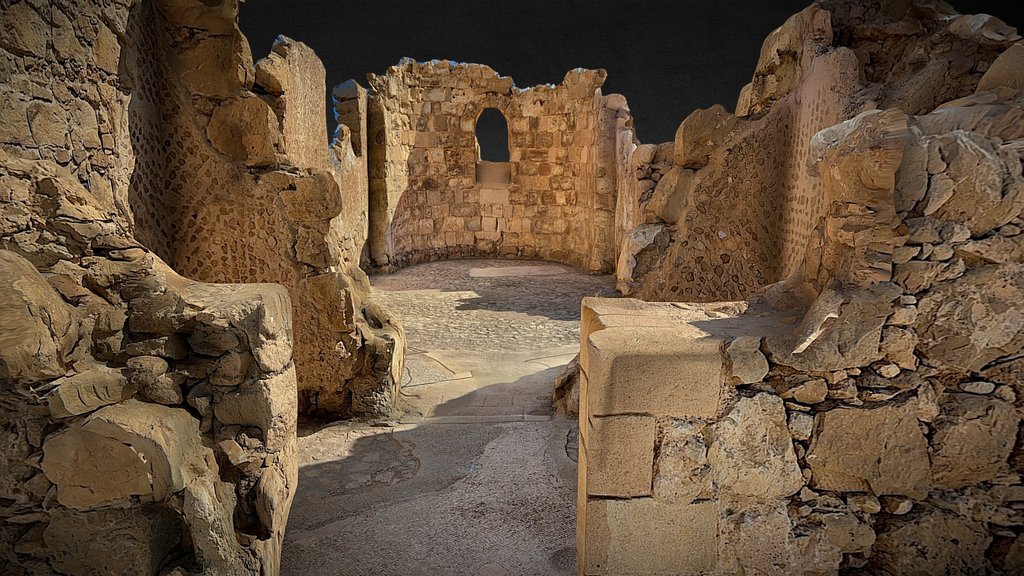 Byzantine Church, Mount Masada, Israel
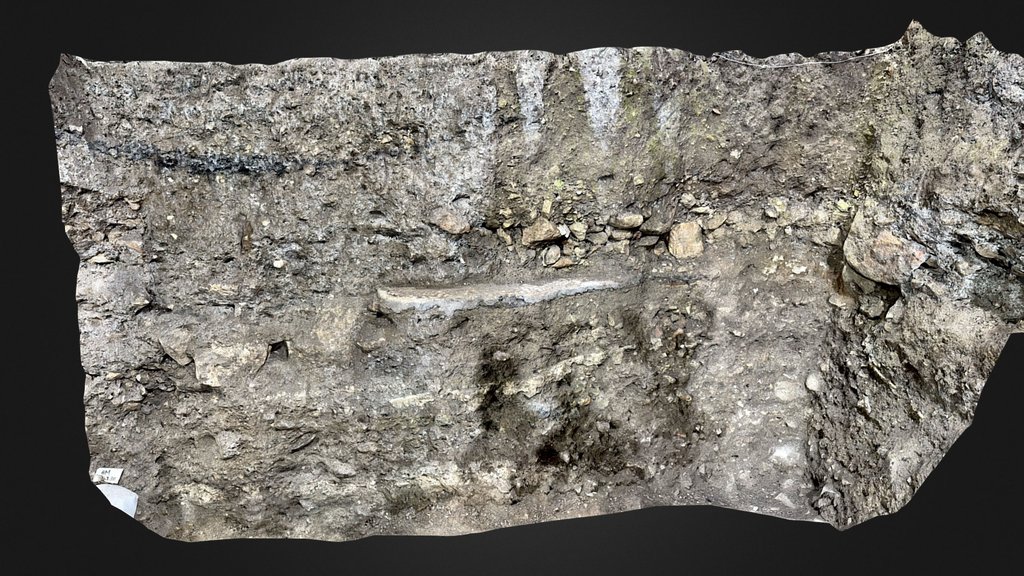 Multi-Period Section, Western Wall Tunnels
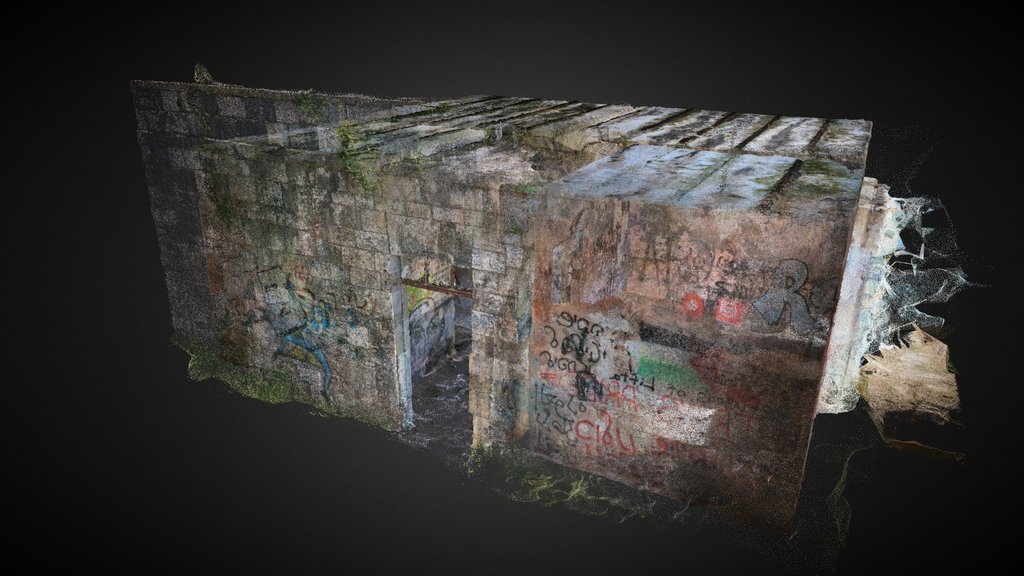 Deserted House, Village of Lifta, Jerusalem
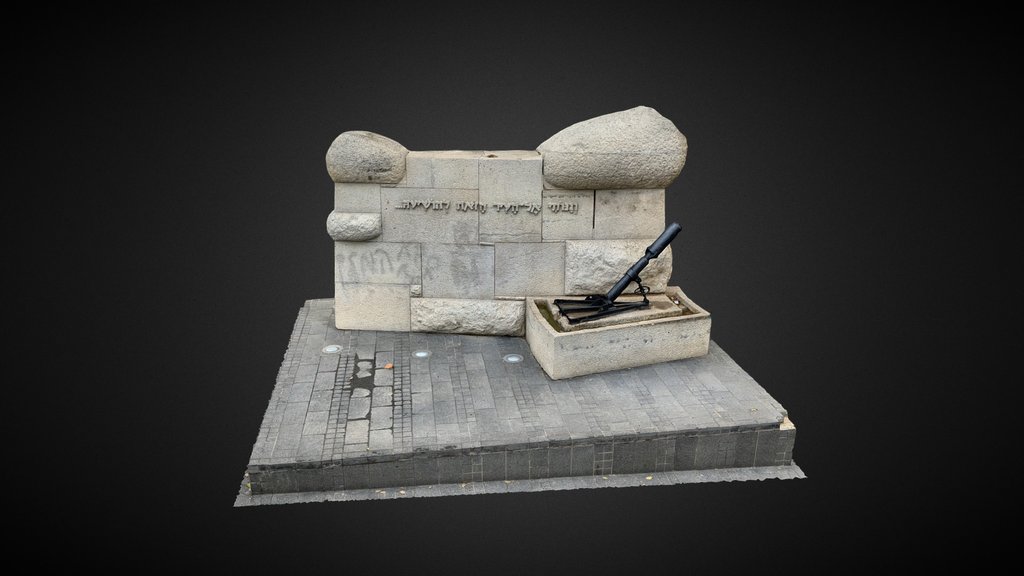 Davidka Square, Jerusalem
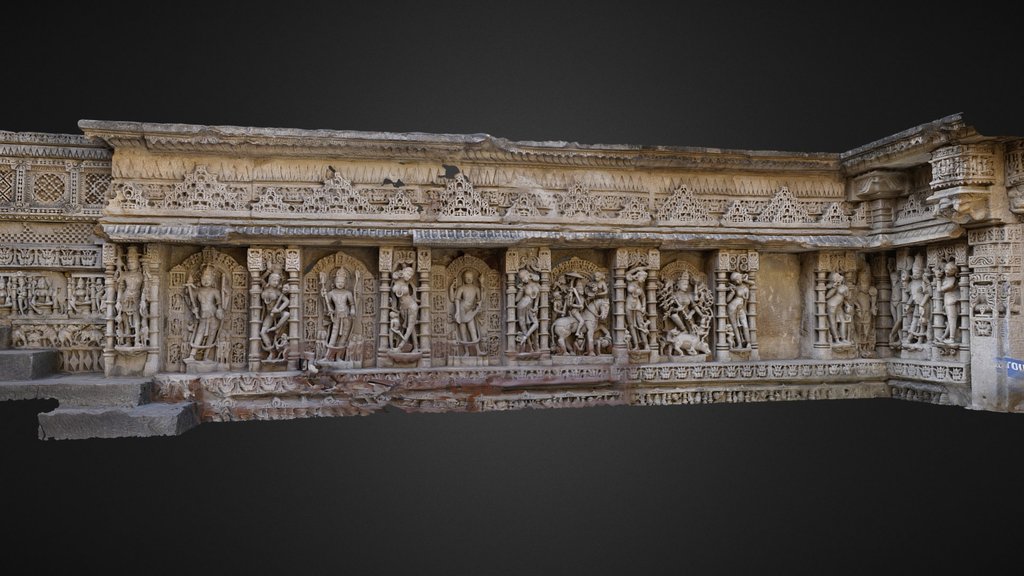 Rani Ki Stepwell (Vav) Patan, Gujarat. detail
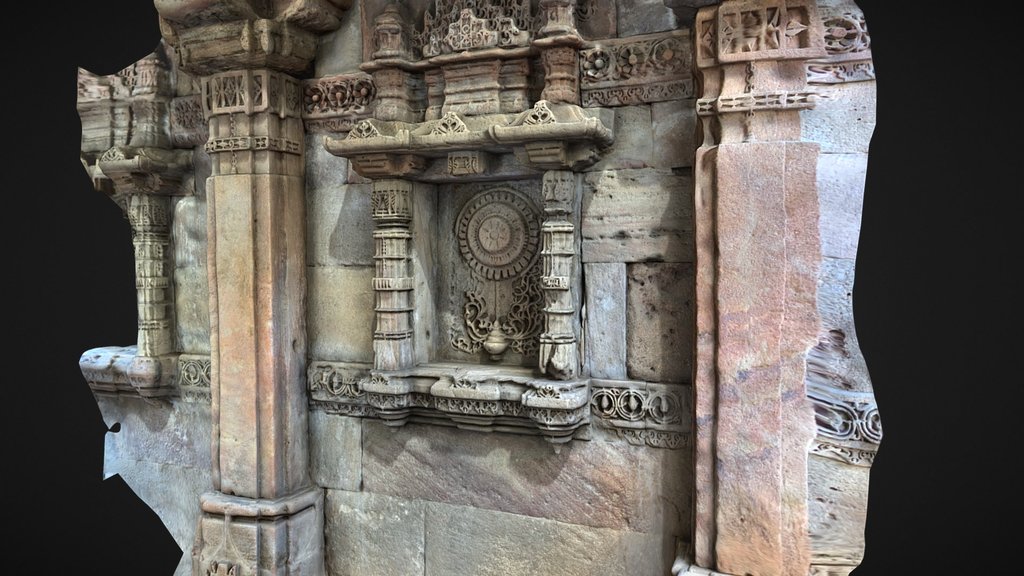 Adalaj Stepwell (Vav) Gujarat, detail
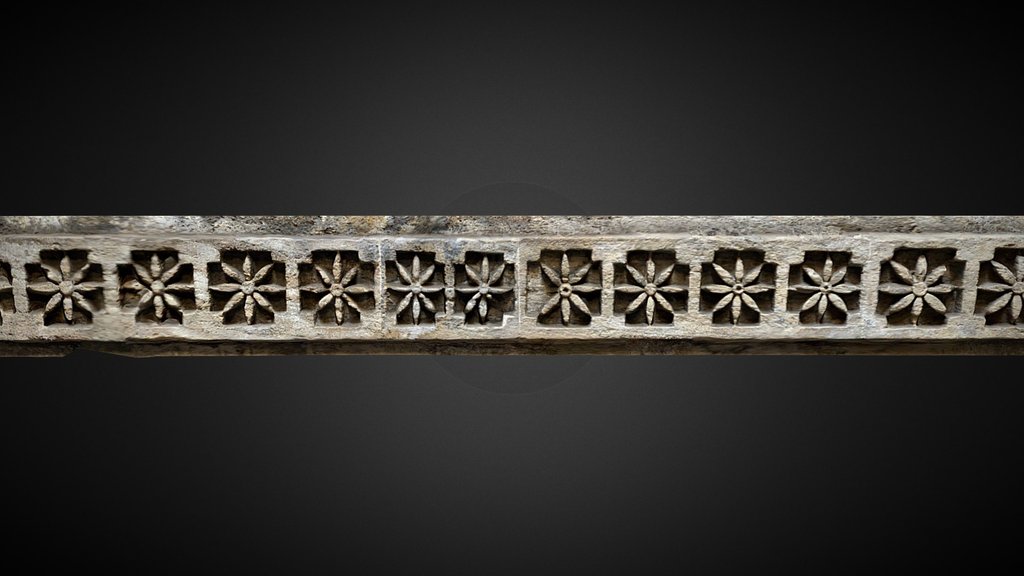 Dada Harir Stepwell (Vav) Ahmedabad, Gujarat.
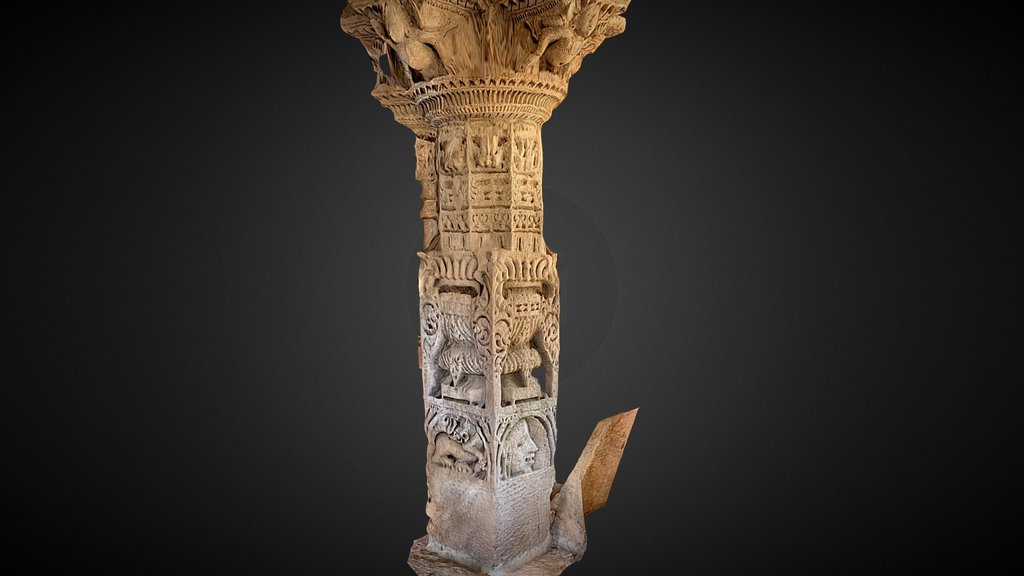 Sun Temple of Modhera, Gujarat. detail
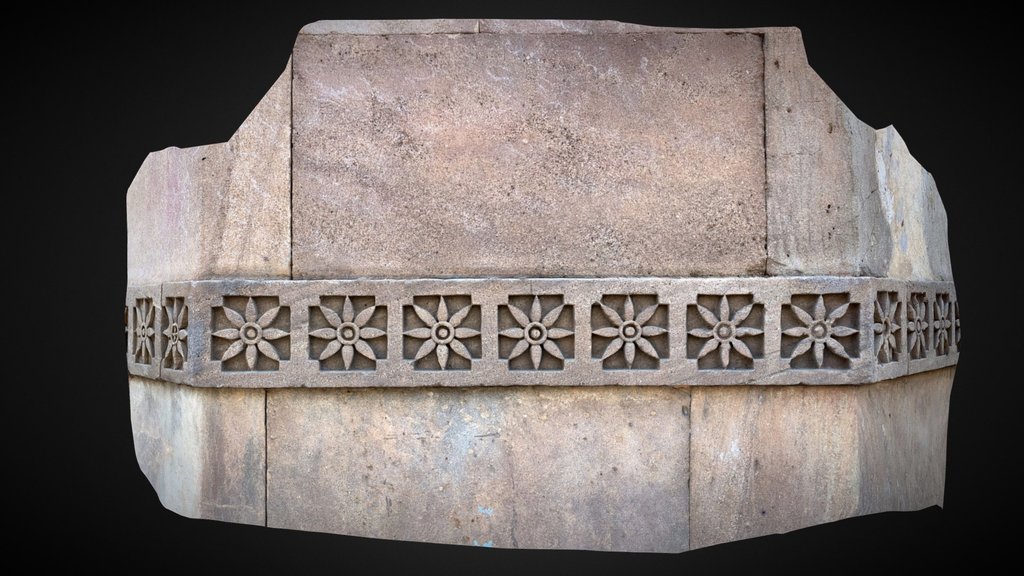 Jami Masjid, Ahmedabad, Gujarat. detail
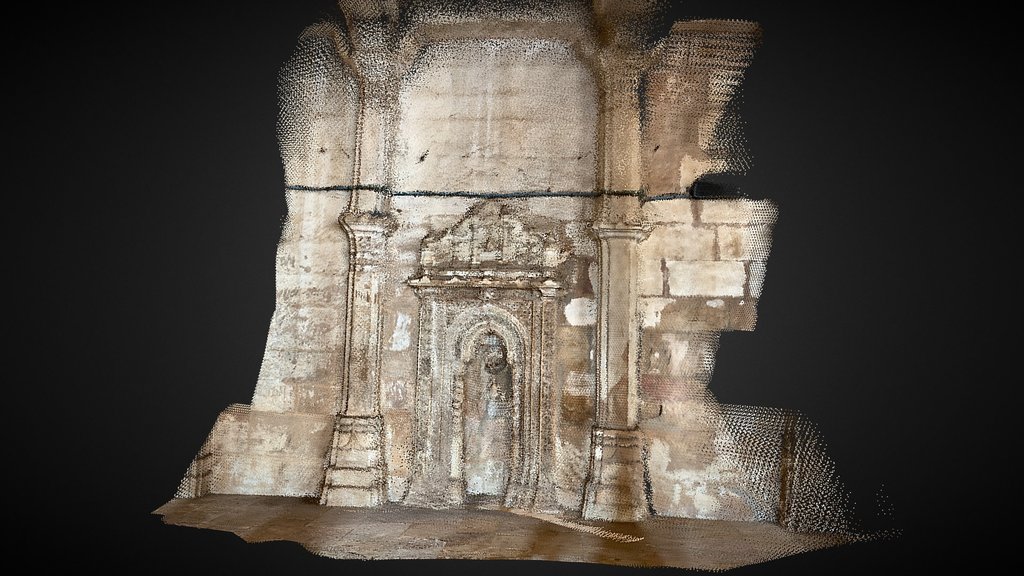 Sarkhej Roza, Ahmedabad - Mihrab
Sharing very large models: the Apostolos Andreas chapel on NIRA
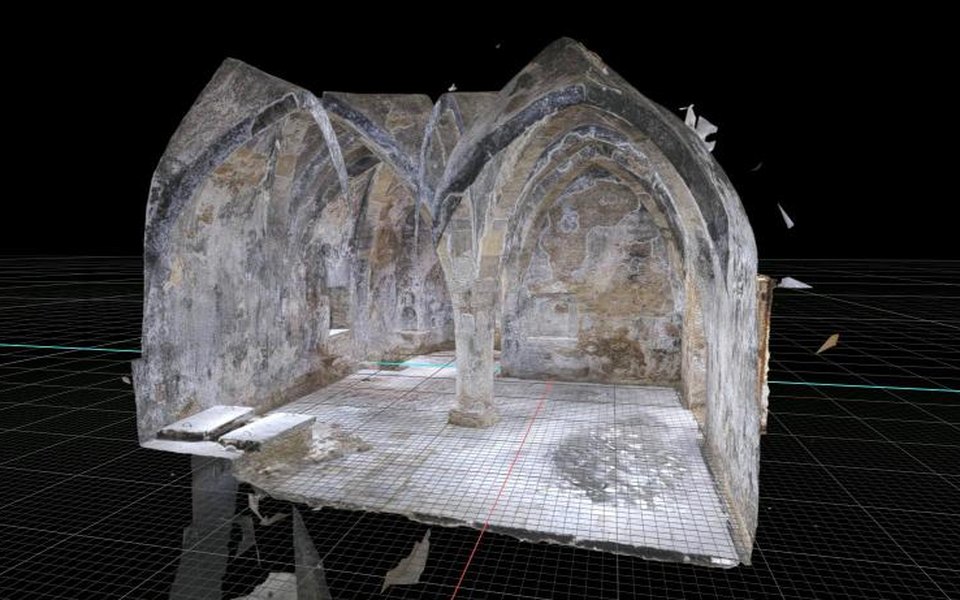
Full-resolution documentation of a building quickly outgrows the usual online viewers. For the medieval chapel of the Apostolos Andreas Monastery in Cyprus, built from 3,692 photographs, I publish the complete model through NIRA, a platform that streams very large photogrammetric datasets to an ordinary web browser.
Because the model is streamed rather than downloaded, its size is almost unlimited. Partners, conservators and researchers can move through the whole chapel and inspect every wall in full detail, measure it, and share a view with colleagues, without installing any software. Access can be open or limited to invited people.
Gaussian splats: photogrammetry’s visual companion
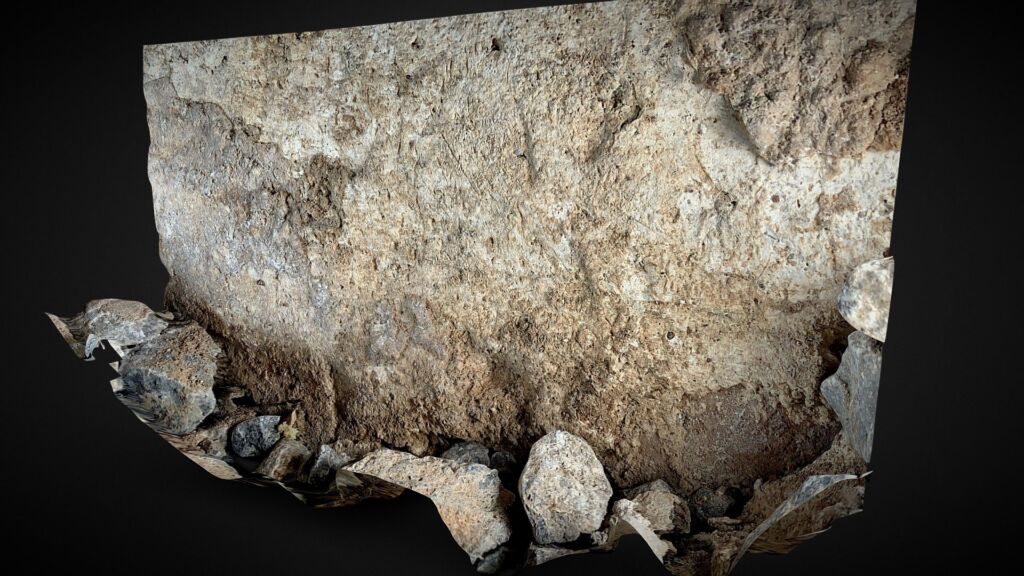
A photogrammetric mesh is built for measurement. It gives me geometry I can scale, section and compare, but it flattens reflective surfaces, fine edges and anything translucent. Gaussian splatting starts from the same photographs and the same camera alignment, and replaces the mesh with millions of small, view-dependent colored blobs. The result is not a measurable surface; it is a remarkably faithful visual record of how a place looked.
In my workflow the two are complementary. I align the images in 3DF Zephyr, export the cameras in COLMAP format, and train the splat in Postshot, so the mesh and the splat share one coordinate frame. The mesh carries the metric evidence; the splat carries the atmosphere. For some sites I also shoot 360 video (Insta360) and process it with Splatica.
Sketchfab cannot display splats yet, so I host them on other viewers.
Apostolos Andreas Monastery, virtual tour. A walkable tour of the chapel built from a Gaussian splat. Open the tour
How photogrammetry relates to my work
Photogrammetry, and in particular structure from motion, reconstructs a measurable 3D model from many overlapping photographs. It is non-destructive, portable and scalable from a single object to a whole building, which has made it one of the central tools of contemporary heritage recording. I use it to create computational surrogates of sites and objects that can be measured, archived, analyzed and shared with the public.
My research combines photogrammetry with other imaging methods. At the Chapel of Saint Helena in the Church of the Holy Sepulchre, we combined structure from motion with Reflectance Transformation Imaging (RTI) to read the crosses incised on its walls, work that contributed to re-dating them. I have also written about how the absent camera viewpoint of photogrammetric models changes the way we perceive space.
Further reading
- Photogrammetric Applications for Cultural Heritage: Guidance for Good Practice, Historic England, 2017
- Combining RTI and SFM: A multi-faceted approach to inscription analysis, Caine, Altaratz and Maggen, EVA Florence, 2019
- Historical archaeology of medieval pilgrimage: Dating the “Walls of the Crosses”, Re’em, Caine, Altaratz and Tchekhanovets, 2022
- The uncanniness of interactive photography, Altaratz, Philosophy of Photography, 2024